Elevate Your Dishes with Handmade Haitian Seasonings
Updated: Jul 29

Haitian cuisine is a vibrant tapestry of flavors, colors, and aromas that reflect the rich cultural heritage of the island. One of the best ways to bring the essence of Haiti into your kitchen is through handmade Haitian seasonings. These unique blends not only enhance the taste of your dishes but also connect you to the heart of Haitian culinary traditions. In this post, we will explore the various types of Haitian seasonings, how to make them at home, and tips for incorporating them into your everyday cooking.
Understanding Haitian Seasonings
Haitian seasonings are characterized by their bold flavors and aromatic profiles. They often include a mix of herbs and spices that are staples in Haitian cooking. Here are some key components:
Epis: This is the cornerstone of Haitian seasoning. It is a blend of herbs, garlic, onions, and peppers, often used as a marinade for meats and a flavor enhancer for soups and stews.
Pikliz: A spicy pickled vegetable relish made with cabbage, carrots, and scotch bonnet peppers. It adds a tangy kick to many dishes.
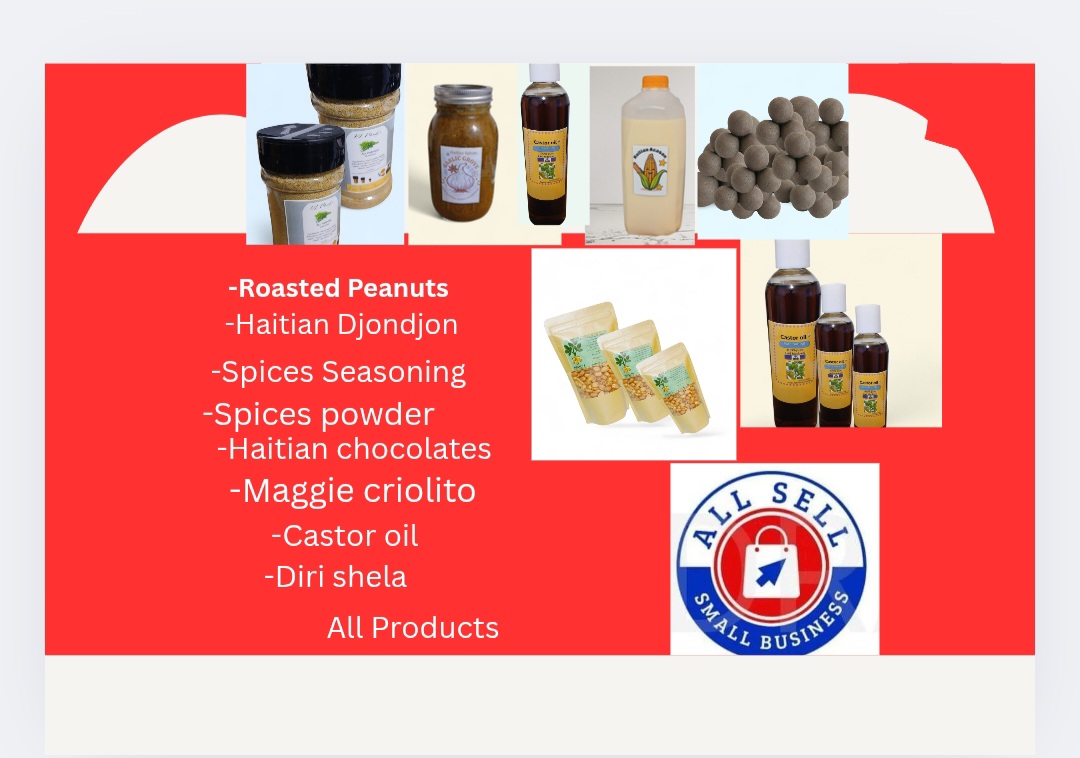
Djon Djon: Black mushrooms that are often used to flavor rice and beans, giving them a unique earthy taste.
These seasonings not only add depth to your meals but also tell a story of the land and its people.
The Art of Making Epis
Epis is the heart and soul of Haitian cooking. Making your own epis at home is simple and rewarding. Here’s a basic recipe to get you started:
Ingredients
1 cup of chopped green onions
1 cup of chopped parsley
1/2 cup of chopped cilantro
1/2 cup of chopped bell peppers (red or green)
1/2 cup of chopped garlic
1/2 cup of chopped onions
2-3 scotch bonnet peppers (adjust to taste)
1/2 cup of olive oil
Salt to taste
Instructions
Prepare the Ingredients: Wash and chop all the herbs and vegetables finely.
Blend: In a blender, combine all the ingredients and blend until you achieve a smooth paste. You may need to add a little water to help with blending.
Store: Transfer the epis to a jar and cover it with olive oil to preserve it. Store in the refrigerator for up to two weeks.
Epis can be used in a variety of dishes, from marinades to soups, and is a must-have for any Haitian-inspired meal.
Exploring Pikliz
Pikliz is a staple condiment that adds a refreshing crunch and heat to many Haitian dishes. Making pikliz at home is easy and can be customized to your taste.
Ingredients
1 small head of cabbage, thinly sliced
2 carrots, grated
1-2 scotch bonnet peppers, sliced
1 cup of white vinegar
1 teaspoon of salt
1 teaspoon of sugar
Instructions
Combine Vegetables: In a large bowl, mix the cabbage, carrots, and scotch bonnet peppers.
Make the Brine: In a separate bowl, combine the vinegar, salt, and sugar. Stir until the salt and sugar dissolve.
Pickle: Pour the brine over the vegetables and mix well. Transfer to a jar and let it sit for at least 24 hours before using. The flavors will develop over time.
Pikliz is perfect for topping fried plantains, grilled meats, or even as a side with rice and beans.
The Unique Flavor of Djon Djon
Djon Djon mushrooms are a unique ingredient that adds a distinct flavor to rice dishes. They are often used in a traditional Haitian dish called "Djon Djon Rice."
Ingredients
2 cups of long-grain rice
4 cups of water
1 cup of dried Djon Djon mushrooms
1/2 cup of epis
Salt to taste
Instructions
Prepare the Mushrooms: Soak the Djon Djon mushrooms in warm water for about 30 minutes. Strain and reserve the soaking liquid.
Cook the Rice: In a pot, combine the rice, reserved mushroom water, and 4 cups of water. Add the epis and salt. Bring to a boil.
Simmer: Reduce the heat to low, cover, and simmer for about 20 minutes or until the rice is cooked and fluffy.
This dish is a flavorful side that pairs well with any protein and showcases the unique taste of Haitian ingredients.
Tips for Using Haitian Seasonings
Incorporating Haitian seasonings into your cooking can elevate your dishes in numerous ways. Here are some practical tips:
Marinades: Use epis as a marinade for meats, seafood, or tofu. Let it sit for a few hours or overnight for maximum flavor.
Soups and Stews: Add a spoonful of epis to your soups and stews for a burst of flavor. It works well in traditional Haitian dishes like Joumou (pumpkin soup).
Vegetable Dishes: Toss roasted or sautéed vegetables with a bit of epis or serve them with a side of pikliz for added zest.
Rice and Grains: Use the soaking liquid from Djon Djon mushrooms to cook rice or quinoa for a rich, earthy flavor.
Conclusion
Handmade Haitian seasonings are not just about flavor; they are a celebration of culture and tradition. By making your own epis, pikliz, and incorporating unique ingredients like Djon Djon mushrooms, you can bring the essence of Haiti into your kitchen. Experiment with these seasonings in your everyday cooking, and you will discover a world of flavors that can transform simple dishes into extraordinary meals.
So, gather your ingredients, unleash your creativity, and elevate your culinary experience with the vibrant tastes of Haiti. Happy cooking!


Comments